
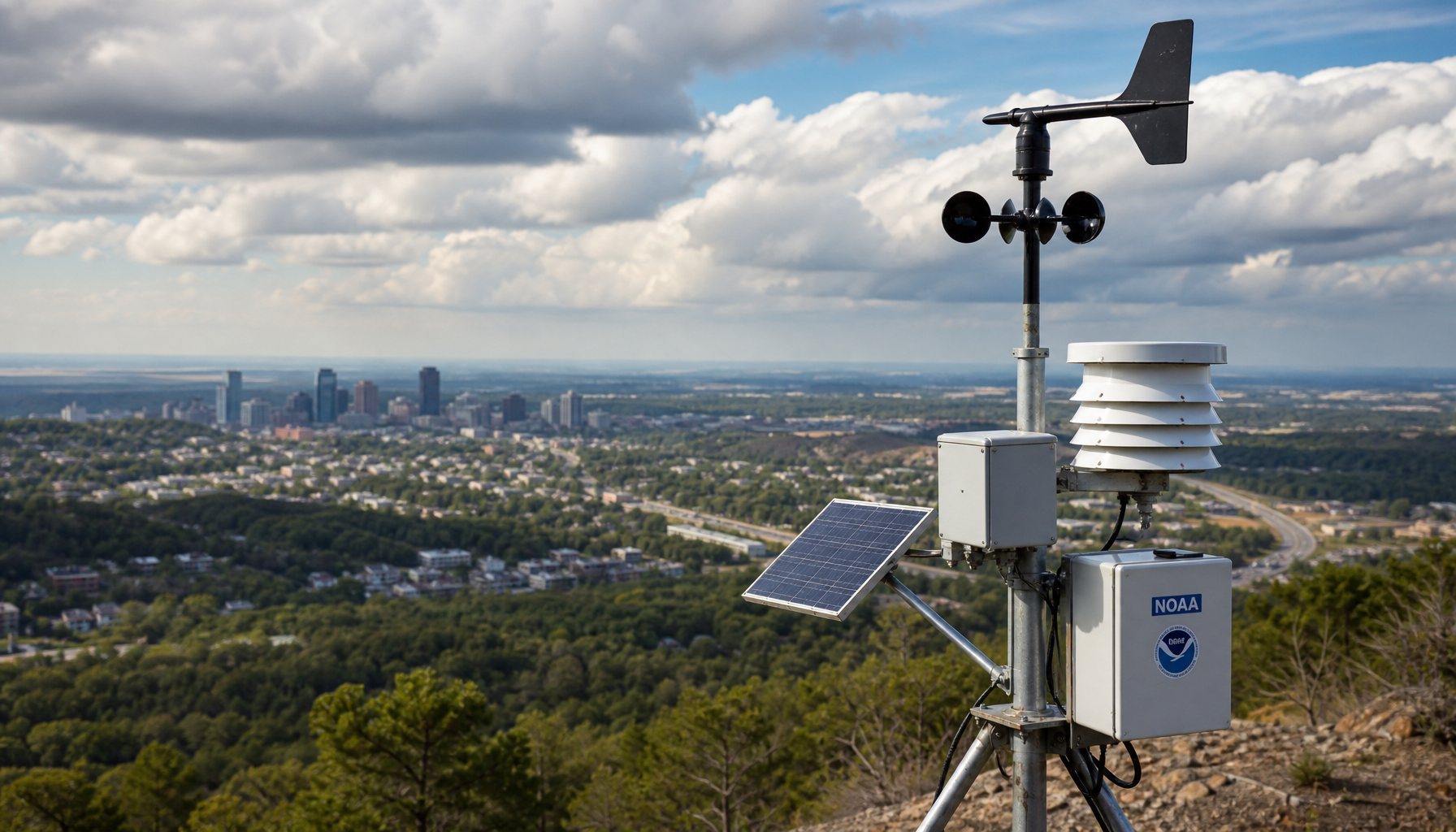
The Fascination of Forecasting
Have you ever planned a picnic only to be thwarted by unexpected rain? Weather shapes our daily lives and decisions, influencing everything from our travel plans to agricultural practices. But how does that daily forecast come to life? The story begins with a complex system of data collection that captures the essence of our atmosphere and provides insights into the ever-changing conditions. Let’s explore how weather data is meticulously gathered across the United States, ensuring we stay informed and prepared.
The Instruments of Meteorology
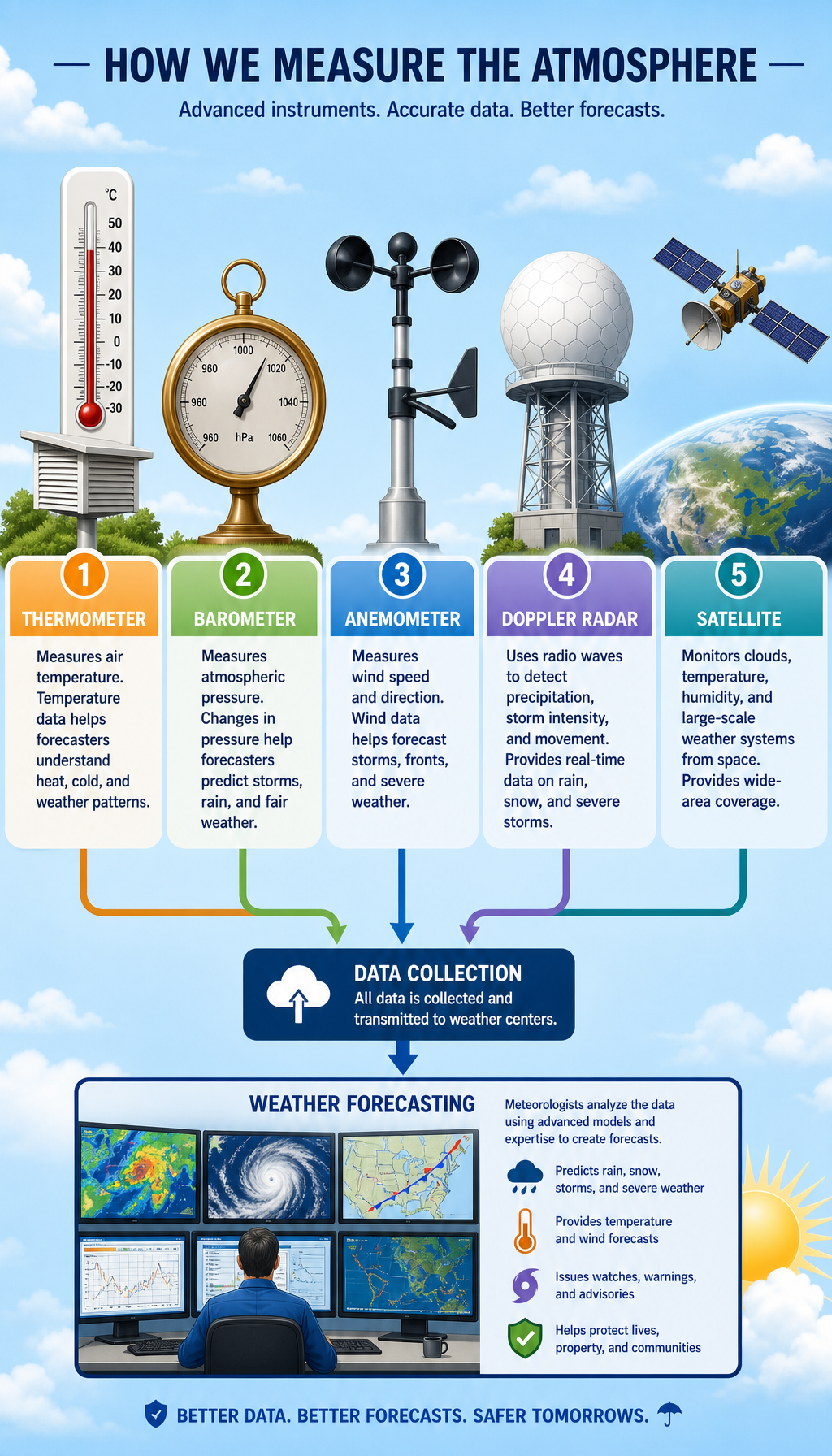
At the heart of weather data collection are a variety of instruments strategically placed to capture atmospheric conditions. Thermometers measure temperature, barometers gauge atmospheric pressure, and anemometers track wind speed. But these tools are just the tip of the iceberg. Advanced technologies, including Doppler radar and satellites, play a crucial role in providing real-time data. For instance, Doppler radar utilizes the Doppler effect to detect precipitation and winds within storm systems, offering meteorologists insight into potential severe weather events.
A Network of Observations
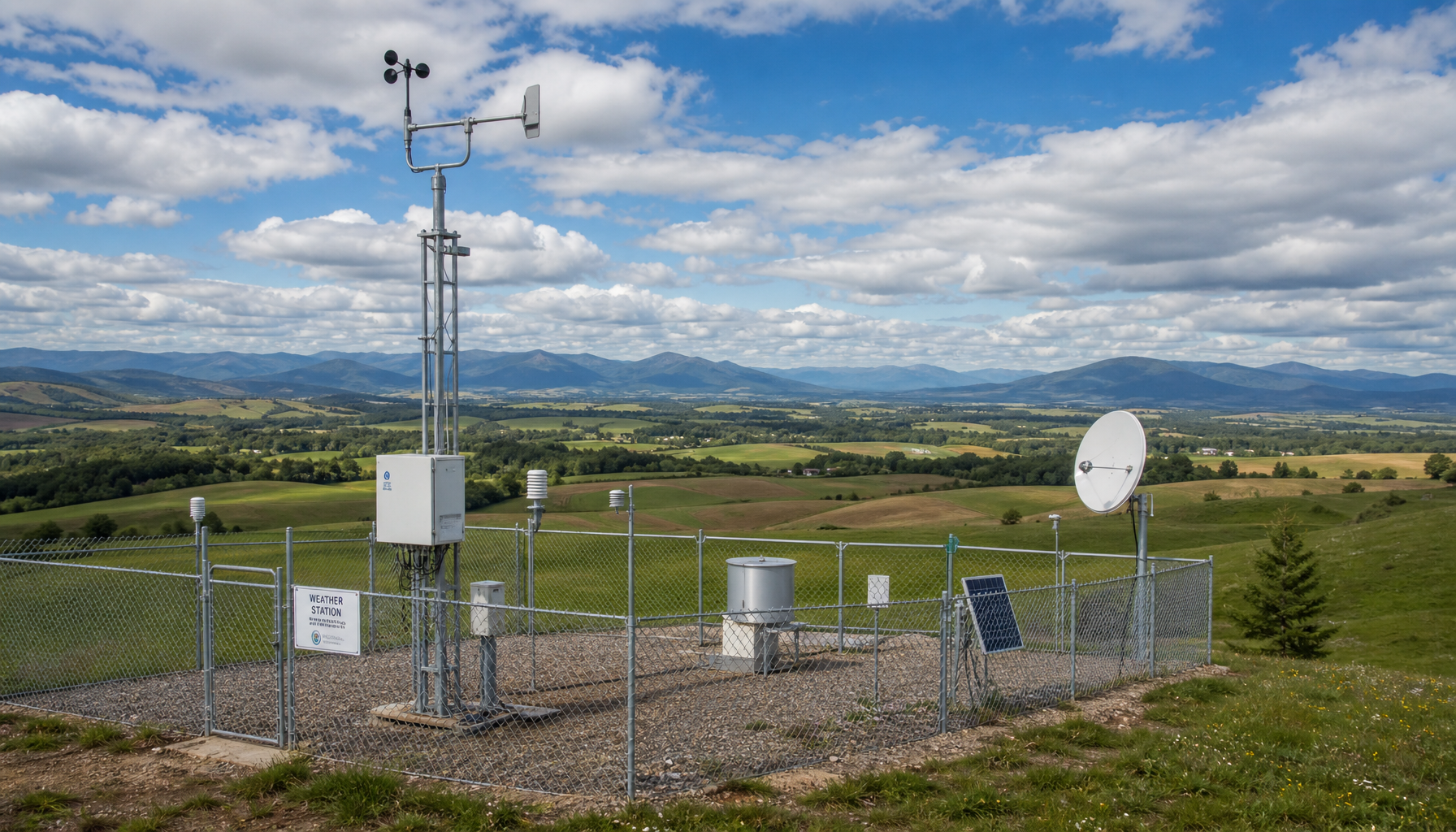
The United States boasts one of the most comprehensive weather observation networks in the world, managed primarily by the National Oceanic and Atmospheric Administration (NOAA). This network includes:
- Surface Weather Stations: Over 1,200 stations continuously monitor local weather conditions across the nation.
- Weather Buoys: Located in oceans and large lakes, these buoys collect data such as sea surface temperature and wave height, vital for forecasting marine weather.
- Weather Balloons: Launched twice daily, these balloons ascend through the atmosphere, collecting critical data on temperature, humidity, and wind at varying altitudes.
- Satellites: In partnership with the National Aeronautics and Space Administration (NASA), NOAA’s satellites orbit the Earth, observing large-scale weather patterns, storm systems, and tracking climate changes.
The Data Processing Journey
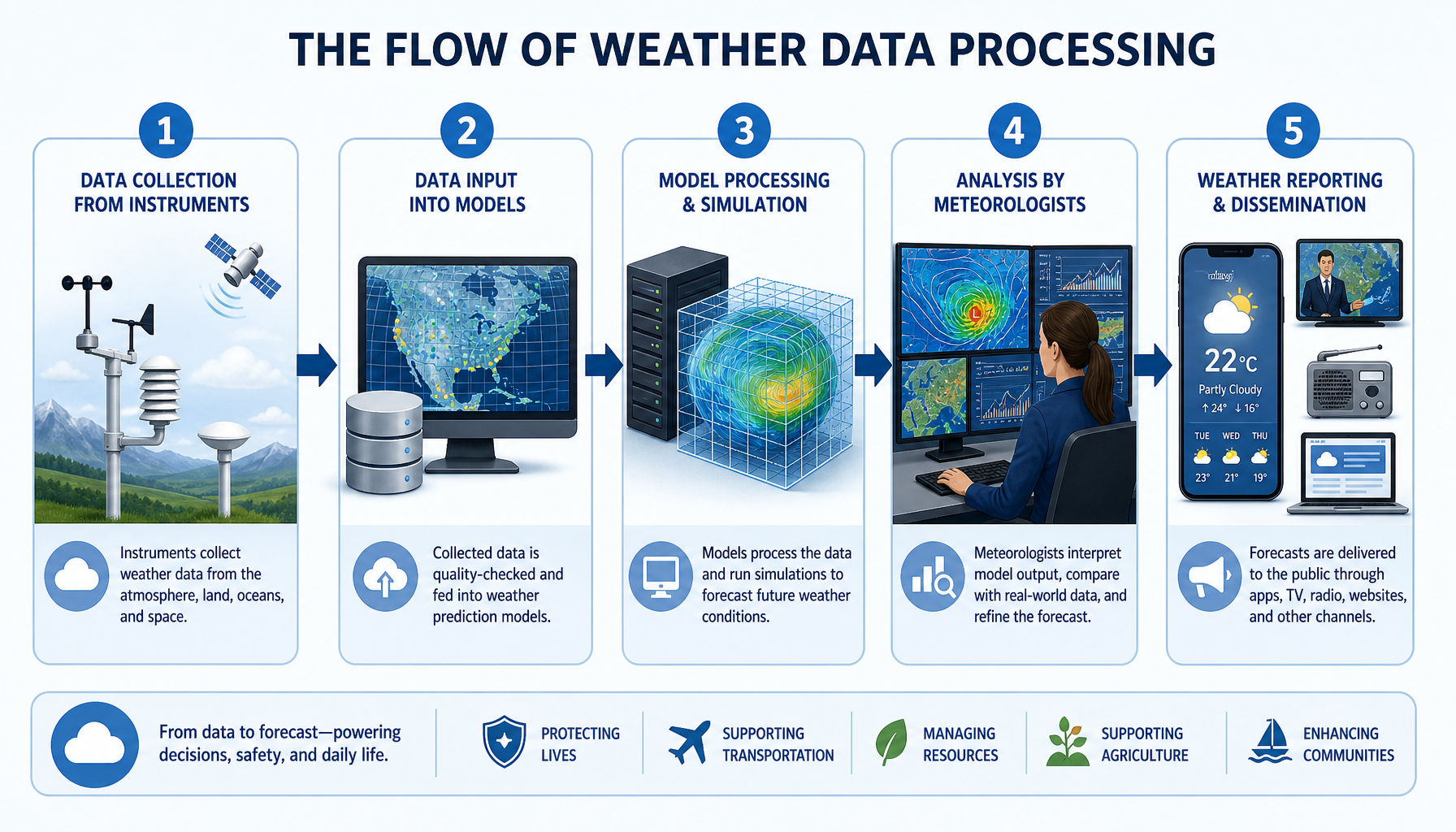
Once collected, the data undergoes a rigorous processing journey. Meteorologists utilize sophisticated computer models to analyze the information and predict future weather patterns. These models incorporate mathematical equations that simulate the physics of the atmosphere, allowing forecasters to visualize scenarios like heatwaves and hurricanes. This intricate dance of data and technology ultimately culminates in the weather reports we rely on.
Weather Data in Action
Understanding weather data’s collection processes not only enriches our knowledge but also helps us appreciate the nuances behind weather forecasts. With extreme weather events becoming more prevalent due to climate change, accurate weather data is more critical than ever. For example, timely data can forecast a tornado’s path, potentially saving lives. Engaging with local meteorologists or following trusted weather channels can provide personal insights and updates, enhancing your understanding of weather patterns in your area.
Embracing the Future of Weather Data
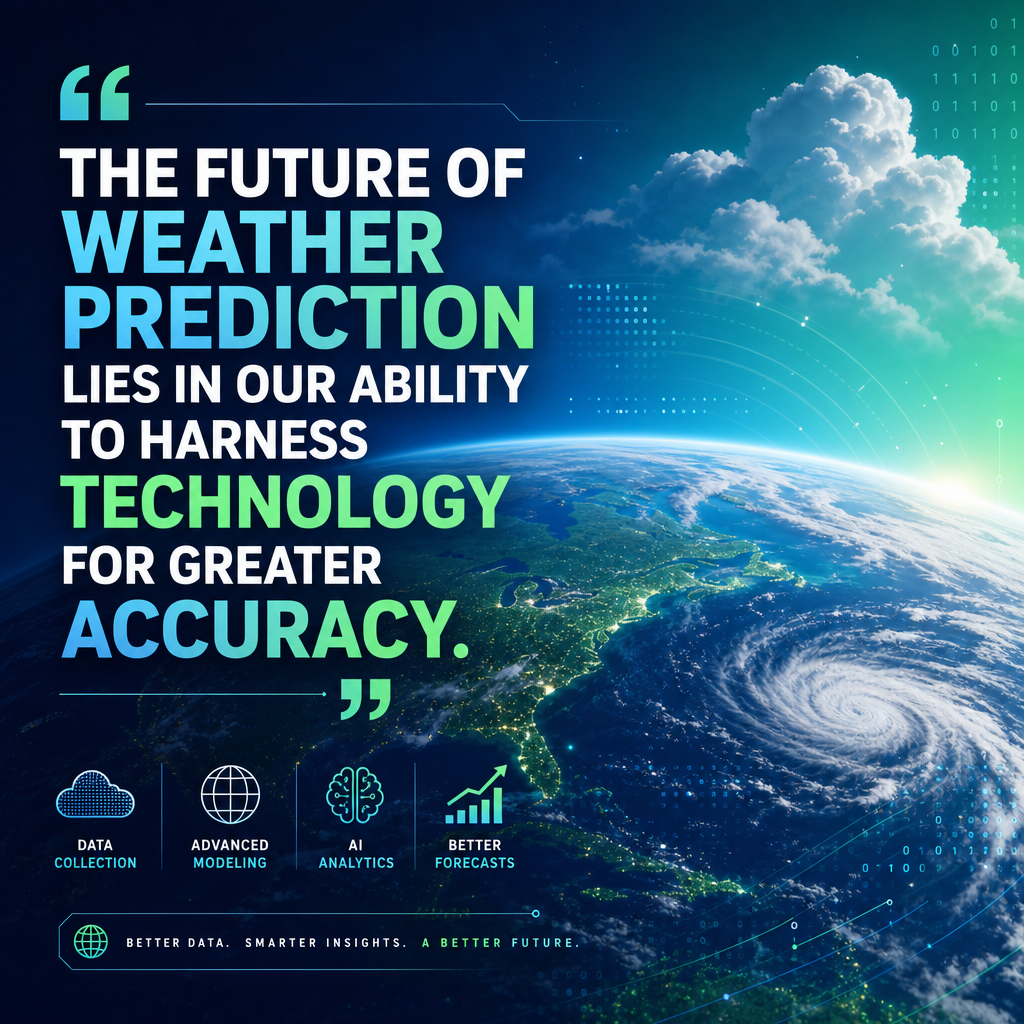
As technology advances, the methods of gathering and interpreting weather data will continue to evolve. Tools like machine learning and AI are beginning to play a significant role in interpreting vast datasets, potentially leading to even more accurate predictions. Staying informed about these advancements not only cultivates your curiosity about the weather but also empowers you to make better decisions based on anticipated conditions.